Bar NYC for Tourists: Where to Start Your Nightlife Journey
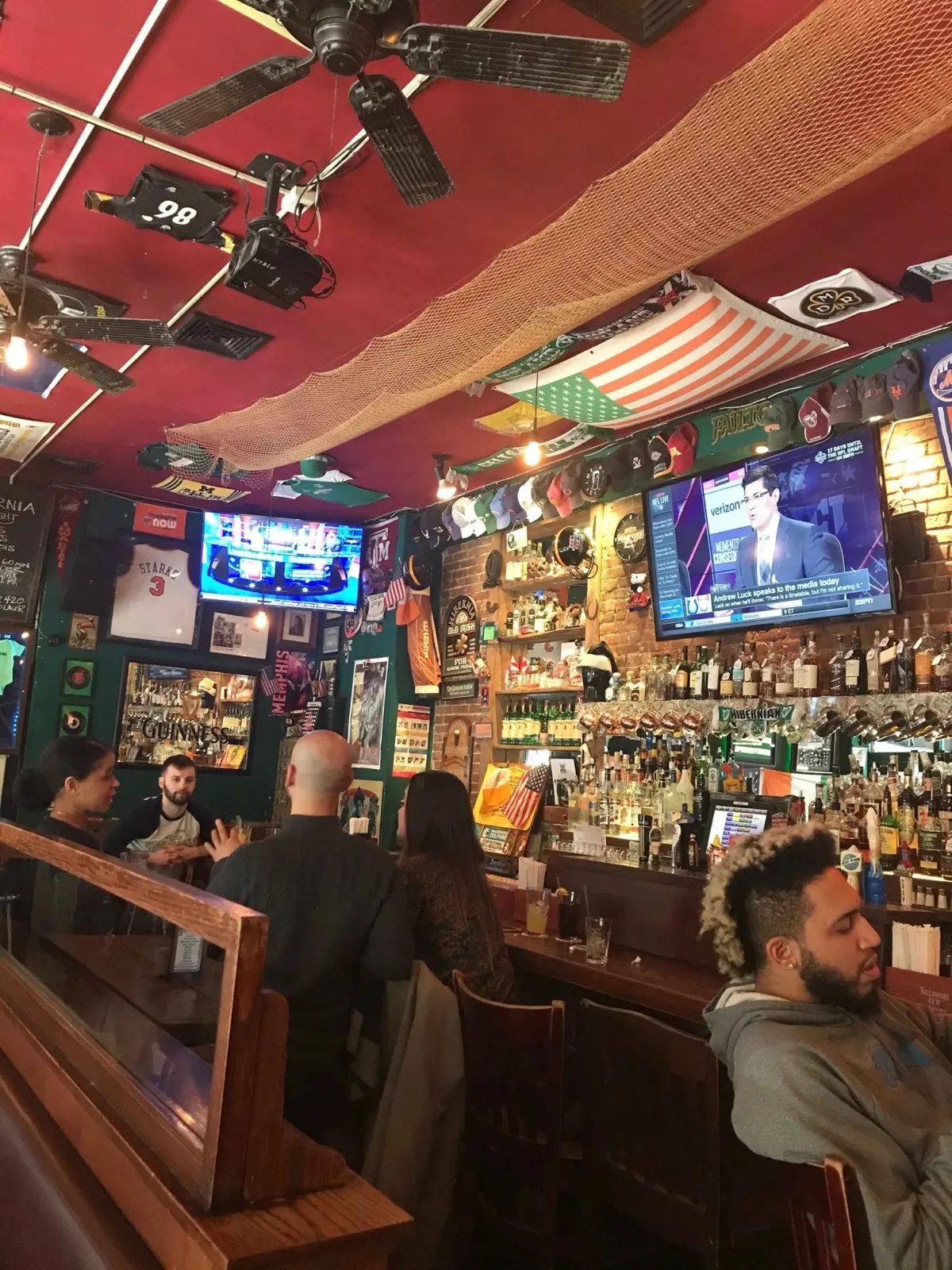
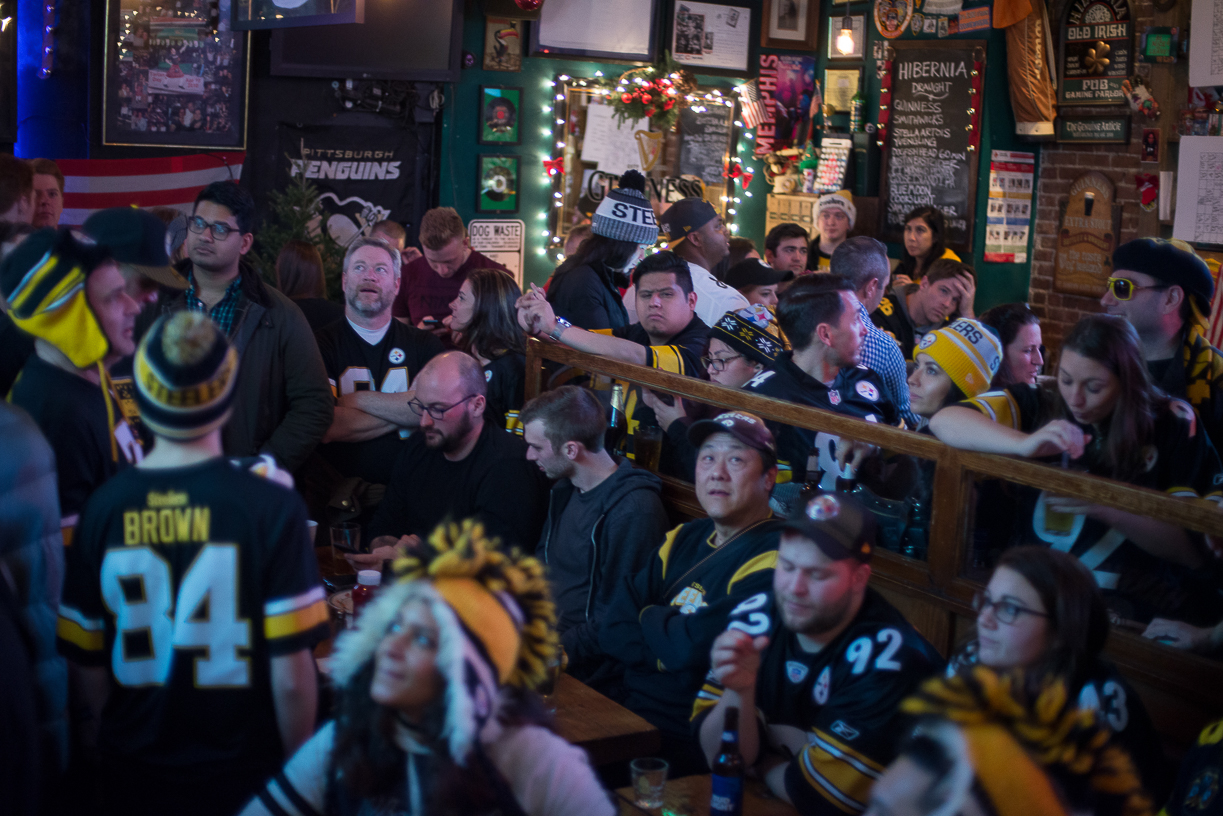
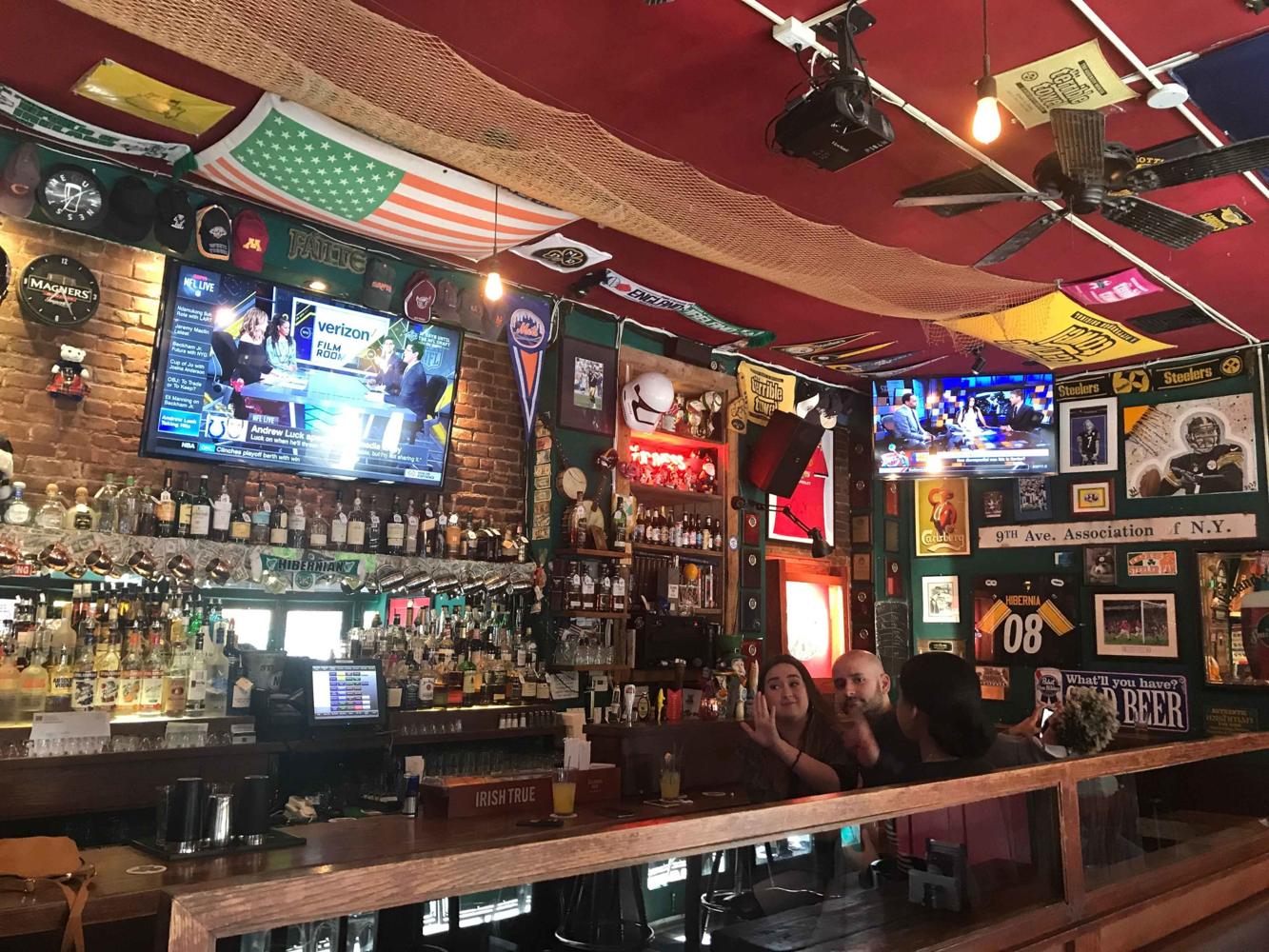
New York has a way of making even a simple drink feel like part of the trip. You step off a busy avenue, push through an unmarked door, and suddenly the city changes temperature. The traffic noise drops away. The room is amber, the bartender moves fast without looking rushed, and the person next to you is as likely to be a local creative director as a couple visiting from Madrid or Chicago. For tourists, that mix is the appeal and the challenge. There is so much choice that the first question is rarely where to drink, but where to begin.
If you search for a Bar NYC recommendation, you will quickly find hundreds of names, neighborhoods, and rankings. That volume can be useful, but it can also flatten the experience. New York nightlife is not one thing. A rooftop in Midtown, a cocktail den in the East Village, a wine bar in Brooklyn, and a corner pub on the Upper West Side all belong to the same city, but they create entirely different nights. The smartest way to start is not by chasing the most famous room. It is by matching your first stop to the kind of evening you actually want.
What tourists usually get wrong about a night out in New York
The biggest mistake is trying to do too much in one night. Visitors often build an itinerary the same way they plan museums, one place at seven, another at nine, a rooftop at eleven, late food after midnight. On paper it looks efficient. In practice, New York resists that kind of neat sequencing. Lines form suddenly. A subway ride takes longer than expected. A bar you imagined as casual turns out to have a strict door policy or no standing room. The city rewards flexibility more than overplanning.
The second mistake is assuming the best bar is always the one with the best view. Views matter, especially on a first trip. There is a reason people remember their first skyline cocktail. But rooftops often come with trade-offs. Drinks are usually more expensive, the crowd can skew more transient, and the actual service sometimes takes a back seat to the photo opportunity. If your goal is to feel the rhythm of local nightlife, some of the strongest nights begin at street level, in a room with low lighting, good music, and bartenders who know the regulars.
Another common misread is neighborhood distance. On a map, Manhattan can look manageable. Visitors see a bar in the West Village and another in Williamsburg and assume they can move between them casually. Sometimes you can, but every cross-borough jump costs energy. If you are only out for one evening, staying anchored to one area usually leads to a better night than trying to sample the whole city.
Choose the neighborhood before you choose the bar
This is the simplest way to cut through the noise. Pick an area first, then decide on the venue. Each neighborhood shapes the pace of the night.
The East Village is good if you want movement and variety. It suits travelers who like the idea of starting with cocktails, then drifting into a noisier room, maybe with a dive bar finish if the night stretches. The crowd tends to be younger than in some parts of Manhattan, though not exclusively so. You can have a polished drink and still end up somewhere with a jukebox and sticky floors, which is part of the charm.
The Lower East Side offers more edge and a little less polish, though that has changed over the years. It still works well for tourists who want a nightlife district rather than a single destination. There are excellent cocktail bars there, but there is also a casual, roaming energy that makes it easier to improvise.
The West Village is often the best starting point for visitors who want New York to feel cinematic. The streets are beautiful at night, the bars tend to be intimate, and the experience can feel more distinctly “New York” than a generic rooftop. It is not the cheapest area, and some places get crowded early, but it remains one of the strongest choices for a first evening out.
SoHo and Nolita can work well if your ideal night includes style, design, and a lively dinner before drinks. These areas attract a dressed-up crowd. Some venues can feel scene-driven, which may be fun or irritating depending on your mood. If you care about atmosphere and people-watching, they are worth considering.
Williamsburg is often a smart move for tourists who have already seen Midtown and want a different version of the city. A good bar NYC experience does not need to happen in Manhattan. Brooklyn offers some of the most interesting drinking rooms in the city, often with more space, a looser feel, and stronger value. The trade-off is the journey home if you are staying uptown.
Start with the kind of bar that suits your trip
Not every vacation night should begin the same way. A couple celebrating an anniversary needs a different recommendation than a group of college friends, and both need something different from a solo traveler looking for a comfortable first stop.
If you want a polished, confidence-building start, begin at a classic cocktail bar. New York does these exceptionally well. The best ones provide structure to the evening. You sit, you read a serious menu, and the bartender guides the tempo. That is useful after a long day of walking or theater or flights. Even one excellent martini or whiskey sour can reset your energy and make the city feel manageable again.
If your group wants motion and noise, begin at a looser beer bar, wine bar, or neighborhood tavern, then graduate from there. This works especially well when people have different Bar NYC budgets or drink preferences. A formal cocktail room can magnify indecision. A more casual opening venue lets everyone settle in.
If this is your first night in town and you are still orienting yourself, choose familiarity over ambition. There is no shame in starting somewhere reliable and central, even if it is less “secret.” The best nightlife decisions often happen after your first drink, once you know whether you want another refined round or a louder second act.
What a great first stop actually looks like
The best first bar of the night does three things at once. It is easy enough to enter without a lot of hassle. It sets a mood that feels distinctly New York. And it leaves your options open.
That usually means a place with strong service, enough seating to keep your group from fracturing, and a location near at least one backup choice. Tourists tend to underestimate the emotional value of a smooth beginning. If your first venue turns into a 45-minute line, or if half the group hates the music, the night can lose momentum fast. A place that is maybe 10 percent less famous but 50 percent easier to enjoy is often the wiser choice.
I have seen this play out countless times. Travelers arrive determined to visit the one bar they saw on social media, only to discover a packed entrance and a host quoting a two-hour wait. Ten minutes later they are irritated, hungry, and debating whether to split up. Meanwhile, two blocks away, there is often another room with better drinks, better lighting, and a better chance of actually hearing each other speak.
Timing matters more than tourists expect
New York bars can feel completely different at 6:30 p.m., 9:00 p.m., and midnight. Tourists often imagine nightlife as something that starts late, but many of the best opening moves happen earlier than expected.
Arriving between 5:30 and 7:30 gives you advantages. You are more likely to get a seat, service is often sharper before the rush peaks, and you can pivot from drinks into dinner or the reverse without fighting the crowd. This is especially useful if you want to experience a sought-after cocktail bar without turning the whole evening into a queue.
By 8:30 or 9:00, many popular places hit their stride. The room gets louder, the crowd looks more intentional, and the energy rises. This is ideal if you want that dense, urban hum people associate with New York nights. It is less ideal if you are hoping for a relaxed conversation or bartender attention.
After midnight, the city sorts itself out. Some bars remain excellent, others become purely functional, and still others transform into a waiting room for the next decision. Late nights can be memorable, but they are not always where the best drinking happens. For many visitors, the strongest version of a Bar NYC evening starts early, peaks by ten or eleven, and ends with food.
How to read a bar before you commit
This is a useful travel skill because the exterior rarely tells the full story. New York bars are experts at mixed signals. The tiny place with the modest facade may serve exceptional cocktails. The dramatic staircase may lead to a room built mostly for photos.
Look at the pace of the door. If people are entering steadily and not clustering anxiously, that is a good sign. If the line moves in awkward bursts and nobody seems to know the system, be cautious unless the place is a true priority. Peek at the crowd if you can. A room where everyone is standing shoulder to shoulder may be lively, but it may also make ordering miserable.
Menu design tells you a lot as well. A concise list with a few signatures usually suggests confidence. A bloated menu of novelty drinks often means the bar is trying to satisfy every possible guest rather than doing a few things well. Neither approach is always wrong, but if you want quality as your starting point, brevity tends to help.
Sound level matters too. Tourists often confuse loudness with excitement. New York has plenty of genuinely vibrant bars that still allow conversation. If the music is so aggressive that the bartender and guest have to shout through every order, think carefully about whether that is how you want to begin.
The price question, and what is actually worth paying for
A night out in New York is expensive, and it is better to acknowledge that upfront than pretend otherwise. In many parts of Manhattan and trendier sections of Brooklyn, cocktails commonly land in the low to mid twenties before tax and tip. Beer and wine can be more forgiving, but not always by much. Rooftops and hotel bars often charge a premium for location and design.
That does not mean you should avoid pricier venues. Some expensive bars are absolutely worth it. You are paying for consistency, skill, glassware, ice quality, ingredients, room design, and often service that makes the whole evening smoother. The issue is not price alone. It is whether the bar is delivering a full experience or simply monetizing scarcity and views.
Visitors on a budget do better when they treat one or two drinks as intentional purchases instead of trying to make every stop upscale. Start at a strong cocktail bar, enjoy it properly, then move to a more relaxed second venue where the pressure drops. That rhythm feels better than spending heavily all night and resenting the bill by midnight.
Hotel bars are underrated, but only if you choose carefully
Many tourists dismiss hotel bars because they assume they are generic or overpriced. Some are. Others are among the most dependable and elegant ways to begin a night in the city. A good hotel bar offers a few real advantages for visitors. It is easy to find, often easier to enter, and usually designed to make newcomers comfortable. That matters more than nightlife purists sometimes admit.
The strongest hotel bars in New York do not feel like holding pens for travelers. They feel like social hubs with a built-in mix of guests, locals, and business regulars. They can be especially effective if you are traveling solo, meeting friends from different parts of the city, or navigating a rainy or winter night when wandering between venues loses its charm quickly.
The caution is that not every famous hotel bar is a good fit for every tourist. Some are too formal for a casual vacation mood. Others are so scene-conscious that they stop being relaxing. Think of hotel bars as strategic starting points, not automatic answers.
When a rooftop is the right move
There are nights when only a rooftop will do. If this is your first trip, the weather is good, and you want the city to announce itself immediately, a rooftop can be exactly right. The trick is to choose one for more than the view.
The best rooftops have a sense of internal life. People stay because the drinks are solid, the seating is comfortable enough, and the room has a personality beyond the skyline. Weak rooftops feel like vertical waiting lines. You order, take the photo, glance around, and start wondering where to go next.
A rooftop often works best as an early evening anchor rather than a late-night destination. Sunset drinks can be memorable and still leave room for a more grounded second stop. That sequence gives you both versions of New York, the grand visual statement and the more intimate street-level experience.
Practical habits that make the night easier
A little discipline goes a long way in New York nightlife, especially for tourists who are juggling maps, reservations, and energy levels.
- Keep one backup bar within a ten-minute walk of your first choice.
- Carry a physical ID, not just a phone image.
- Make a dinner decision before the second round, not after midnight.
- Tip properly, usually around 20 percent for table or bar service.
- Wear shoes you can actually stand in for hours.
Those points sound basic, but they solve most avoidable problems. New York is not kind to flimsy plans at 11:30 p.m. If you know where you might go next and how you are getting home, the city becomes much more enjoyable.
For different kinds of travelers, different openings work best
A solo traveler often benefits from a bar with seats at the counter and bartenders used to conversation. A packed standing-room-only lounge can make solo drinking feel isolating, while a well-run cocktail bar can make it feel natural. If you are alone, sitting at the bar instead of a table also signals that you are open to limited interaction without forcing it.
Couples usually do best in a room with atmosphere and manageable volume. The ideal date-night start is rarely the trendiest place in the city. It is the one where you can settle into the mood, order without stress, and decide together whether to linger or continue. Intimacy beats hype almost every time.
Groups need flexibility. The more people you have, the more your first bar should prioritize space, straightforward ordering, and neighborhood density. Once a group climbs above four, every choice becomes harder. A venue that can absorb your group without making you fight for a corner is worth more than a prestigious name.
Travelers in their forties, fifties, and beyond often get poor advice from nightlife content aimed at much younger crowds. You do not need to chase the loudest room to have a proper New York night. Some of the city’s most satisfying bars are sophisticated without being stiff, energetic without being punishing. Good lighting, serious drinks, and adult conversation still count as nightlife.
How to build a strong night without overengineering it
The best nights in New York usually have one fixed point and one flexible one. Maybe you reserve a known cocktail bar in the West Village for your first stop, then decide in the moment whether to stay nearby for dinner or move on. Maybe you begin with skyline drinks, then descend into a neighborhood tavern for a second round and fries. Structure helps, but too much of it can leave no room for the city to surprise you.
A good pattern is simple:
- Start somewhere intentional.
- Move only once, and only if the second place offers a different mood.
That change in mood is important. Two bars that feel essentially the same can make a night blur. A refined first room followed by a lively pub, or a rooftop followed by a dim cocktail den, gives the evening shape.
The neighborhoods that tend to work best for first-time visitors
If I were advising someone on their first serious night out in New York, I would usually send them Bar NYC Hibernia Bar to one of three starting zones: the West Village for atmosphere, the Lower East Side for variety, or Williamsburg for a broader, more current sense of where city nightlife has evolved. Each one offers enough density that if your first plan fails, your night does not.
Midtown is more complicated. It can be excellent around theaters, hotels, and certain classic institutions, but it is less forgiving if you want to bounce casually between appealing places. There are memorable exceptions, of course. Still, many tourists staying in Midtown are happier using it as a base rather than treating it as their only nightlife district.
The Financial District can surprise people, especially in polished bars with impressive interiors, but it often feels more situational. It is strongest when paired with a specific reason to be there, such as views, a dinner booking, or a hotel stay nearby.
Food is part of the nightlife plan, not an afterthought
Many bad bar nights in New York are really bad meal-timing nights. People drink on an empty stomach, hold out for some ideal late reservation, then end up eating mediocre food at 1:00 a.m. Because they waited too long to decide. If you care about enjoying your drinks and your budget, think about food early.
Some of the smartest tourists reverse the expected order. They have a compact early dinner, then go out for drinks without the pressure of choosing food while tired. Others use the first bar as an aperitif stop and lock in a meal nearby before continuing. Either approach tends to work better than treating food as a problem for later.
New York does offer wonderful late-night eating, but “available” and “worth your time” are not the same thing. Pizza can save a night, absolutely. So can a solid burger or a bowl of noodles. Just do not assume the city will magically deliver your ideal post-midnight meal within two minutes of wherever you happen to be standing.
A final piece of judgment: pick a night you can actually enjoy
The strongest Bar NYC experience for tourists is rarely the most optimized one. It is the one where you feel present enough to notice the room, taste the drink, and let the city reveal itself at its own speed. That may mean skipping the overbooked hotspot in favor of a classic corner bar with a great bartender. It may mean choosing one excellent martini over three average cocktails with a better backdrop. It may mean staying downtown all night instead of trying to conquer the whole map.
New York rewards people who arrive with a little curiosity and a little humility. The city is full of bars that are good for reasons no ranking can fully capture, the right song at the right moment, the bartender who steers you toward exactly the right pour, the tiny table that opens just as rain starts outside. Tourists do not need insider status to find those moments. They just need a smart starting point, a realistic pace, and enough room in the plan to follow the night where it wants to go.
Hibernia Bar
401 W 50th St
New York, NY 10019
(212) 969-9703
FAQ About Bar NYC
What is there to do in Hell's Kitchen, NYC?
Explore the restaurants and bars along Ninth Avenue, catch a Broadway show nearby, or visit the Intrepid Museum on the Hudson River. Hibernia Bar is at West 50th Street and Ninth Avenue, a convenient stop before or after a show.
What are some bars in New York City that serve good food?
Hibernia Bar in Hell's Kitchen serves wings, burgers, fish and chips, and shepherd's pie. Its kitchen lists a 2 a.m. closing time, which makes it an option for dinner after a show or a game.
How far is Hell's Kitchen from Times Square?
Hell's Kitchen is just west of Times Square. From Broadway and West 45th Street, Hibernia Bar is roughly 0.6 miles away, or about a 12-minute walk depending on crowds.