Finding Your Ideal Bar NYC for Any Occasion
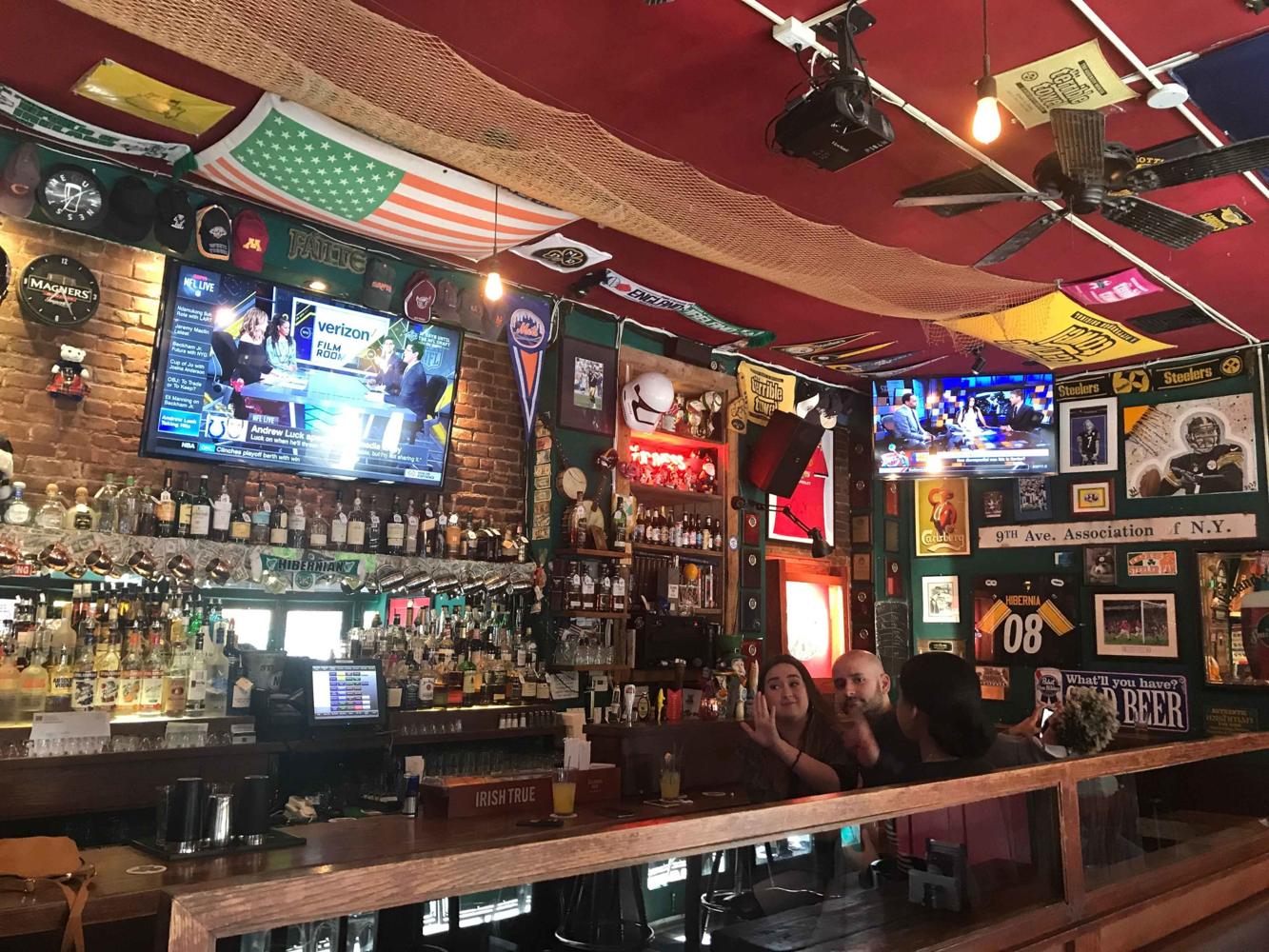
New York has never had a bar problem. It has a bar abundance problem. On almost any block in Manhattan, Brooklyn, Queens, or parts of the Bronx, you can find three places that serve a decent drink, one that pours a serious cocktail, and another that somehow becomes exactly what you needed at 11:40 p.m. On a Wednesday. That density is part of the city’s charm, but it can also make choosing the right spot harder than it should be.
The truth is that the best bar in New York is rarely the one with the loudest buzz. It is the one that matches the moment. A first date needs something different from a team happy hour. A solo nightcap asks for a different room than a birthday gathering. If you approach the search for the ideal Bar NYC experience as a matter of fit rather than hype, the city opens up in a much more useful way.
That shift in perspective matters because bars in New York are not interchangeable. They differ in ways that shape the whole night, often more than the drink list itself. Light level, seating layout, music volume, crowd turnover, the patience of the bartender, whether you can hear the person across from you, whether the ice is good, whether the bathroom line turns into a side quest, all of it counts. I have watched perfectly planned evenings go sideways because a group of eight walked into a tiny natural wine bar built for pairs, and I have seen an ordinary Tuesday become memorable because someone chose a neighborhood pub with the right stools, honest pours, and a bartender who knew when to talk and when to let people be.
Start with the occasion, not the address
People often begin with geography. They type “best bar near me” or “best cocktails in Manhattan” and end up in a place that might be excellent on paper and wrong in practice. It is more useful to begin by identifying what the occasion needs from the room.
If the night is meant to be social and easy, your priorities are space, acoustics, and service speed. A narrow East Village cocktail den with 24 seats may be exceptional for two people, but it will feel punishing for a work gathering where everyone arrives in waves. If the goal is romance, you are not just looking for candlelight. You want enough privacy to create a sense of intimacy without making the room feel stiff. If the occasion is celebration, the room needs energy, but not so much that your own table disappears into the crowd.
One of the most common mistakes people make in a Bar NYC search is overvaluing reputation and undervaluing logistics. A place can have superb drinks and still fail your evening because it cannot absorb your group size, does not take reservations, or runs so loud after 8 p.m. That conversation becomes performance art.
A better habit is to ask a few blunt questions early. How many people are coming, really? Will anyone be late? Does this need food, or just good drinks? Are people dressed for a polished room, or are you aiming for someplace forgiving? Is the point to talk, flirt, celebrate, hide out, or impress? Once those answers are clear, the field narrows fast.
What different New York neighborhoods do well
Neighborhood matters, though not in the simplistic way guides often frame it. It is less about borough rivalry and more about the type of evening each area tends to support.
Lower Manhattan is built for movement. In the East Village, Lower East Side, Nolita, and Chinatown, people often bar-hop, even if they claim they will not. That makes these areas strong for flexible nights, dates that may continue elsewhere, and friend groups with mixed attention spans. The trade-off is congestion. Great spots fill quickly, and the best room at 7:15 can become shoulder-to-shoulder by 9.
The West Village and parts of Soho still hold their appeal for a reason. They offer charm, recognizable polish, and enough excellent bars in close reach that you can recover from a bad pick. They also come with predictable downsides: crowds, waits, and in some rooms, a self-awareness that can get tiring. If you want a polished atmosphere without too much scene-chasing, you need to choose carefully and go earlier than your instincts suggest.
Midtown is underestimated. People talk about it as though it only exists for expense accounts and pre-theater martinis, but Midtown has a practical strength. It works. If you need a reliable meeting point for colleagues, clients, or friends coming from different trains, it is hard to beat. The ideal Bar NYC choice for a business-adjacent evening is often in Midtown precisely because nobody has to cross three neighborhoods to get there. The best Midtown bars understand pacing. They know how to serve quickly at 6 p.m. And settle into something more relaxed later.
Brooklyn, especially neighborhoods like Williamsburg, Greenpoint, Fort Greene, and Cobble Hill, tends to reward people looking for character over status. You often get more physical space, more neighborhood regulars, and rooms that feel less transactional. That does not automatically mean cheaper, but it does often mean more relaxed. Bar NYC For dates, catch-ups with old friends, or nights when the goal is to stay put instead of roam, Brooklyn can be a better fit than Manhattan.
Queens deserves more attention in this conversation than it usually gets. Long Island City and Astoria, in particular, offer bars where value and personality often meet. You can still find serious drinks without the performative strain that sometimes shadows trend-heavy Manhattan spots. For people who care about what is in the glass but do not need the city’s latest “it” room, these neighborhoods can be a smart answer.
The room matters more than the menu
Drink programs get the headlines, but room dynamics decide whether a place works. You can feel this within thirty seconds of walking in. Is there a natural place to stand while you wait? Are tables arranged in a way that lets conversations happen without eavesdropping on strangers? Do bartenders seem rushed in a controlled way or overwhelmed in a dangerous way?
A room can rescue an average menu. The reverse is much harder. I have had excellent cocktails in spaces so badly lit and so acoustically punishing that nobody at the table ordered a second round. I have also spent long, contented evenings in bars where the wine list was short, the gin selection modest, and the snacks limited, because the stools were comfortable, the service was calm, and nobody was trying too hard.
There is a practical detail many people overlook: seat height and table depth. It sounds trivial until you spend two hours balancing a drink, small plate, phone, and elbows on a tiny ledge while someone squeezes behind you every four minutes. Bars designed for long stays feel different in the body. If you are planning a conversation-heavy night, look for signs of actual comfort. Banquettes, properly spaced bar stools, and tables large enough for glassware are not luxuries. In New York, they are a competitive advantage.
Music matters just as much. Some bars are tuned for momentum, others for conversation. The problem is that many places shift identities as the night goes on. What feels pleasantly lively at 6:30 can become exhausting by 9:00. If talking is central to the night, do not just judge a place by afternoon photos or reputation. Timing changes everything.
Choosing for dates, groups, solo visits, and celebrations
The right bar for a date is usually one with enough friction to feel alive and enough calm to allow a real exchange. You want some energy in the room so there is no dead air, but not so much volume that every sentence must be repeated. A good date bar offers visual interest without making the two people at the table compete with the room. Better still if it gives you an easy next move, whether that is a second drink, a short walk, or a nearby late-night bite.
For groups, the practical issues become decisive. Reservation policy, table size, and food options matter more than cocktail ingenuity. A bar that can hold a six-top comfortably and deliver drinks within a reasonable window will outperform a more celebrated room that treats groups as a burden. In my experience, the happiest group nights happen in places that serve a broad middle. There is something for the beer drinker, something for the martini loyalist, something for the person who wants a no-proof drink that still feels considered. A narrow menu can be elegant for two and frustrating for eight.
Solo drinking in New York has its own etiquette and rewards. The city is one of the best places in the world to sit at a bar alone without inviting scrutiny. Still, not every bar suits solo time. The best ones offer bartenders who read the room well, enough ambient motion that you do not feel isolated, and a bar top designed for actual sitting rather than crowd spillover. Hotel bars can work well here, as can neighborhood taverns and well-run cocktail bars earlier in the evening. The sweet spot is a place where being alone looks intentional, not like a logistical failure.
Celebrations call for honesty. If the point is to mark something, choose a place with enough energy to support that feeling. This does not always mean loud. Sometimes celebration lands best in a richly designed room with a touch of ceremony, maybe proper glassware, strong service, and a menu that encourages one more round. The mistake is choosing somewhere so precious that joy feels like a disruption.
How to read a bar before committing to it
New York rewards quick judgment. If you can learn to read a bar in the first minute, you save yourself money, time, and avoidable annoyance.
Here are the signals worth noticing:
- The host or bartender acknowledges arrivals quickly, even if they are busy.
- The crowd matches the mood you came for, not just the demographic.
- The sound level allows the kind of night you want to have.
- The room has a visible flow, meaning you can tell where to stand, sit, and order.
- The menu pricing feels aligned with the setting and service, not inflated by trend alone.
None of these guarantees a perfect night, but together they tell you whether the place is functioning well. The first sign I trust is staff composure. In a good New York bar, busy does not look chaotic. Orders move. Guests get oriented. Nobody seems surprised by normal demand. That steadiness is often a stronger sign of quality than a famous cocktail list.
Price is another clue, though not in the way people think. High prices do not bother most New Yorkers if the experience earns them. What frustrates people is mismatch. If you are paying premium prices for average glassware, rushed service, and a room where you cannot hear, the bill starts to feel insulting. A simpler bar with a solid beer list and fair pours can deliver far more value than a glamorous spot charging luxury rates for inconvenience.
Reservations, walk-ins, and the art of timing
Timing can make the same bar feel like two different businesses. This is especially true in New York, where after-work crowds, dinner crowds, date-night crowds, and late-night crowds stack in quick succession.
Reservations are worth using when the occasion has stakes. Birthdays, reunions, pre-theater plans, business meetings, and anything involving more than four people should not be left to chance if the bar accepts bookings. People sometimes resist this because they want the night to feel spontaneous, but there is nothing romantic about making six friends stand on a sidewalk for 40 minutes while you refresh your messages.
Walk-ins are still one of the city’s pleasures, just better suited to flexible nights. If you are wandering with one other person and willing to pivot, New York remains a fantastic place to discover a bar by instinct. Some of the best nights happen this way, especially in neighborhoods where several strong options sit within a few blocks of each other.
Early arrival is one of the oldest tricks in the city because it keeps working. Arriving between 5:30 and 6:30 can transform your experience at bars that are punishing by 8. You get better seats, more attentive service, and a real chance to settle into the room before it hardens into full demand. The same principle applies late. Some bars are unpleasant in the thick of prime time and excellent again after 10:30, once the first wave clears and the staff finds rhythm.
What to drink, and why it matters less than people claim
There is no shortage of opinion in New York about what serious drinkers should order. Ignore most of it. The ideal drink in a Bar NYC setting is the one the house handles well and the one that suits the room.
In a busy, high-volume room, that often means simpler classics. A martini, Negroni, whiskey highball, spritz, or well-executed sour can reveal more about a bar’s competence than an overbuilt signature cocktail with seven ingredients and a smoking garnish. If a place is calm and known for craft, then yes, it can be worth exploring the menu. But in many bars, especially when they are slammed, ordering with a little realism improves the night.
Wine bars deserve separate mention. Their strength is often pace. Wine encourages slower conversation, shared plates, and less theatrical service. For many occasions, especially catch-ups and dates, that can be an advantage. Beer bars and pubs have a different virtue. They remove pressure. People relax faster when they do not feel they are being graded on taste.
No-proof options have improved dramatically across the city, and their presence is now a useful marker of professionalism. A bar that offers only soda or juice to non-drinkers is behind. A bar with two or three thoughtful no-proof drinks signals broader hospitality. If your group includes even one person not drinking alcohol, that detail changes the experience more than many hosts realize.
Service style can make or break the night
Service in New York bars comes in different dialects. Some places are brisk and transactional. Some are warm and conversational. Some are proudly unobtrusive. None of those styles is automatically better. The question is whether the service suits the room and the occasion.
For a date, a bartender with timing and discretion is gold. For a group, efficiency matters more than charm. For solo visits, friendliness counts, but so does the ability to leave a guest alone when that is clearly what they want. The most skilled New York bartenders are not just making drinks. They are editing the energy of the room in real time.
This is one reason regulars return to certain bars even when the menu has not changed in years. Competent service is reassuring. Great service feels almost architectural. It holds the night together. You do not need speeches, flair, or heavy-handed hospitality. You need someone who notices when a round is dragging, catches a missing order, offers water before you ask, and makes the room feel looked after.
A few reliable ways to avoid disappointment
Most bad bar experiences in New York are predictable. They come from forcing the wrong place to do the wrong job. The city gives you too many good alternatives to settle for that.
A few habits help:
- Match the bar to the occasion before you match it to the neighborhood.
- Check current hours and reservation policies on the bar’s own channels.
- If conversation matters, go earlier than peak time.
- For groups, prioritize space and service over trend value.
- Always have one backup within a ten-minute walk.
That last point is worth emphasizing. The smartest bar-goers in New York rarely pin everything on one place. They think in pairs. If the first option has an hour wait, is too loud, or simply feels off, the night does not collapse. You move.
Finding your version of the ideal
The perfect bar does not exist in absolute terms. New York is too varied for that, and thankfully so. What exists are bars that feel right for a specific hour, person, weather pattern, and reason for going out. The room where you celebrate a promotion may not be the room where you recover from a hard week. The place you love alone at 5:45 p.m. May be intolerable with a group at 9:15. That is not inconsistency. That is context.
If you are searching for your ideal Bar NYC destination, the best approach is less about collecting famous names and more about learning your own patterns. Notice where you actually enjoy yourself. Do you care more about sound level than menu ambition? Do you stay happier in neighborhood bars than in destination rooms? Do you want a bartender who chats, or one who quietly nails the drink and moves on? These preferences are not minor. They are the map.
New York rewards people who pay attention. A bar is never just a bar here. It is a piece of urban timing, hospitality, design, mood, and social chemistry packed into one room. Pick the room that fits the night, and the city does the rest.
Hibernia Bar
401 W 50th St
New York, NY 10019
(212) 969-9703
FAQ About Bar NYC
What is there to do in Hell's Kitchen, NYC?
Explore the restaurants and bars along Ninth Avenue, catch a Broadway show nearby, or visit the Intrepid Museum on the Hudson River. Hibernia Bar is at West 50th Street and Ninth Avenue, a convenient stop before or after a show.
What are some bars in New York City that serve good food?
Hibernia Bar in Hell's Kitchen serves wings, burgers, fish and chips, and shepherd's pie. Its kitchen lists a 2 a.m. closing time, which makes it an option for dinner after a show or a game.
How far is Hell's Kitchen from Times Square?
Hell's Kitchen is just west of Times Square. From Broadway and West 45th Street, Hibernia Bar is roughly 0.6 miles away, or about a 12-minute walk depending on crowds.