Why Tourists Search for the Best Irish Pub NYC Has Nearby
New York gives tourists too many choices. That is part of its thrill and part of its exhaustion. A visitor can spend the morning in Midtown, the afternoon downtown, and the evening in Brooklyn, all while hearing three different recommendations for pizza, four for bagels, and at least one passionate argument about where to find the city’s best martini. Yet amid all that variety, one search keeps coming up with surprising consistency: where to find the best Irish Pub NYC has nearby.
That search is not random, and it is not only about Guinness. Tourists look for Irish pubs because they offer something many travelers need after a long day in the city: familiarity without blandness, atmosphere without pretension, and food and drink that feel dependable in a place that often moves at a bruising pace. In a city famous for reinvention, the Irish pub remains one of the few spaces that still promises a straightforward kind of hospitality.
Anyone who has spent time guiding out of town guests around Manhattan has seen this pattern. People land in New York with big plans. They want skyline views, Broadway tickets, museums, shopping, and neighborhood walks. By late afternoon, however, many want a place where they can sit, reset, and feel the city around them without having to perform for it. That is where the Irish pub enters the picture.
A refuge from decision fatigue
Travel has a way of wearing down even enthusiastic people. Airports, subway lines, reservation windows, timed entries, weather changes, and crowded sidewalks all pile up. Tourists who begin the day eager to “do New York” often end up craving a room with warm lighting, sturdy bar stools, and a staff that knows how to keep things moving without rushing anyone out.
The appeal of an Irish pub is that it lowers the stakes. Fine dining can feel like another appointment. Trend-driven cocktail bars sometimes ask guests to decode a menu before they can relax. A busy sports bar might be too loud for conversation. A good Irish pub usually sits in a comfortable middle ground. You know what you are getting, at least in broad terms. There will likely be a proper pint, some version of shepherd’s pie or fish and chips, a burger that can anchor the evening, and enough room for couples, families, solo travelers, and work friends to coexist.
That predictability matters more than some locals admit. Tourists are not always chasing novelty. Often they are trying to manage energy. Searching for an Irish Pub NYC visitors can trust nearby is partly a practical instinct. They want a place that is easy to understand, likely to be welcoming, and capable of turning a tired hour into a memorable one.
The mythology matters, but the room matters more
There is also a powerful image at work. The Irish pub, whether in Dublin, Boston, Chicago, or New York, carries a cultural script. People expect dark wood, polished brass, framed mirrors, old photos, maybe a back bar stacked high with whiskey bottles, and a pint poured with enough care to feel ceremonial. They expect conversation, not just consumption.
New York plays especially well with this format because the city already values compressed intimacy. Some of its best rooms are narrow, bustling, and layered with history. A proper pub feels as though it belongs here. Tourists can step inside and instantly feel they have entered a version of New York that is more rooted than the souvenir shops outside.
Still, decor alone does not explain the search. Plenty of places imitate pub style and miss the point. The rooms tourists remember are the ones with a certain ease to them. The bartender looks up quickly. Someone makes space at the bar. The food arrives hot. The Guinness settles properly. Music stays present without swallowing every sentence. This is less about set design than rhythm.
I have watched visitors choose a pub because the host greeted them like regulars even though they had never set foot in the place. I have also watched tourists walk out of “famous” locations because the room felt more interested in turning tables than hosting people. The best Irish Pub NYC offers is rarely just the one with the oldest facade or the most online reviews. It is the one where the whole experience lands cleanly.
Location is not a small detail
When tourists search for a pub “nearby,” that word does a lot of work. In New York, nearby can mean five minutes on foot or twenty minutes through foot traffic that feels longer than a subway ride. A pub’s value rises sharply if it sits where visitors already are.
Around Times Square, tourists tend to seek places that can absorb the theater crowd without becoming a trap. Near Grand Central, they want convenience with enough character to avoid the sterile feeling common around transit hubs. In the Financial District, a pub might attract people coming off the ferry, leaving the 9/11 Memorial, or ending a lower Manhattan walking tour. On the Upper West Side, visitors often want a quieter meal after museums or Central Park. In each case, “best” does not mean the same thing. It means the best fit for the hour, the neighborhood, and the mood.
This helps explain why search behavior is so local. Few tourists arrive in New York determined to cross the city for a pub unless it is already famous. Most want a place that feels discovered rather than hunted. They search when they are already hungry, already walking, or already deciding whether to sit down before another attraction. That urgency favors pubs because pubs communicate ease. They do not ask for much setup.
A cultural comfort that travels well
Irish hospitality has unusual global reach. That is not a romantic cliché, it is a practical truth. Travelers from the United States, Canada, Britain, Australia, and much of Europe often share at least a rough sense of what an Irish pub is supposed to offer. Even visitors with no particular connection to Ireland tend to understand the format immediately.
This broad cultural familiarity matters in New York, where tourists may spend the whole day in environments that feel stimulating but not always legible. Menus can get highly specific. Reservations can be hard to interpret. Some sought-after restaurants project exclusivity so strongly that visitors hesitate to walk in. An Irish pub usually does the opposite. It signals that you can come as you are, within reason, and be looked after.
That is a major reason tourists search for one after museum visits, long shopping stretches, or weather swings. On a cold rainy evening, almost nothing sounds better than a pub with a dry seat, a hot meal, and a drink that suits the weather. On a summer afternoon, many pubs offer the opposite comfort: air conditioning, shade, and a moment out of the crush.
Food that does not gamble with the evening
Travelers are often more conservative about food than food culture admits. They may want a memorable meal, but they also do not want to derail the evening with something too heavy, too experimental, too delayed, or too expensive for what it is. The Irish pub menu answers that concern almost perfectly.
A solid pub kitchen tends to trade in dishes that are recognizable, filling, and forgiving. That does not mean mediocre. It means calibrated. The fish and chips should arrive crisp, not greasy. A steak sandwich should be generous enough to satisfy after a day on foot. Soups and stews earn their place in winter because they do real work. Even something simple like bangers and mash can feel restorative if it is made with care and served at the right moment.
Tourists appreciate this more than trend forecasts ever will. They may spend one night chasing a marquee reservation and another looking for a room where everyone in the group can find something appealing. Families especially gravitate toward pubs for that reason. Parents know there will usually be options for selective eaters, more adventurous diners, and people who mainly want a reliable plate and a seat.
There is also the question of timing. New York restaurant culture can divide sharply between lunch service, pre theater service, and late night options. Pubs often bridge those gaps well. A traveler looking for an early dinner at 4:30 or a substantial meal at 10:00 has better odds in a pub than in many narrower concepts.
The drink is part of the draw, but ritual is the real product
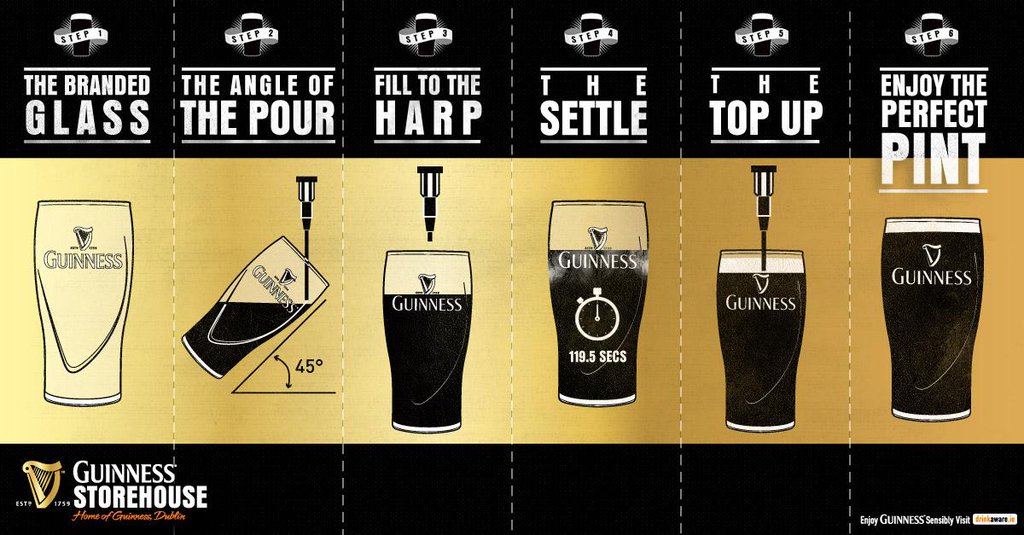
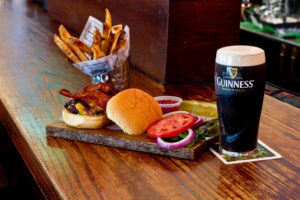
Yes, tourists search for Irish pubs because they want beer, whiskey, or both. It would be silly to pretend otherwise. Guinness has become almost its own tourism language. Visitors talk about where it is poured well, where the glassware is right, where the pint tastes fresh, and whether the pour gets proper attention rather than being treated like any other draft beer.
But the real attraction is ritual. A pub offers more than a drink. It offers a sequence people understand. Find a spot. Order a pint or a whiskey. Let the room settle around you. Share a plate. Watch the bartender move. Catch fragments of nearby conversation. Stay for one round or three. In a city that can make everything feel transactional, that rhythm feels reassuringly human.
The best rooms understand that the ritual cannot be rushed. A bartender in a good pub reads the crowd carefully. Tourists need a little orientation. Locals need efficiency. Regulars want acknowledgment without fuss. Theatergoers may need a quick turnaround. A large family wants patience and clear guidance. The best pubs manage all of that without making anyone feel secondary.
What tourists mean by “best”
When visitors type “best Irish Pub NYC” into a search bar, they are not all asking the same question. Some mean authentic in atmosphere. Some mean nearest and easiest. Some mean best Guinness. Others want live music, sports on screen, or a meal that feels worth sitting down for. This is why online rankings only go so far.
From experience, tourists usually care about a mix of five things, though they may not say it plainly at first:
- a location that makes sense within the day’s route
- a room with genuine warmth rather than manufactured nostalgia
- food that is dependable and satisfying
- drinks poured and served with care
- service that makes first time visitors feel comfortable quickly
A place can be strong in one area and weak in another. A historic pub with cramped seating may delight one couple and frustrate a family with strollers. A lively sports oriented room may be ideal on game day and less appealing if someone wants a quiet conversation before a show. The smart traveler does not look for an abstract “best.” They look for the right pub at the right moment.
Not every Irish pub in New York serves the same purpose
It helps to separate the category into a few real world versions. Some pubs are neighborhood institutions first and tourist stops second. These often feel the most grounded, but they may be less convenient for short term visitors. Some are centrally located and highly polished, designed to serve big crowds efficiently without losing all personality. Others lean heavily into nightlife, becoming louder and more social as the evening goes on. A few function almost like civic living rooms, places where office workers, sports fans, visitors, and older regulars all meet under one roof.
Tourists do well when they recognize those differences. A pub can be excellent and still not be right for what they need that day. I have seen visitors disappointed by a beloved local spot simply because they arrived at peak happy hour expecting a quiet dinner. I have also seen people dismiss a centrally located pub as too obvious, then leave pleasantly surprised because the staff was sharp, the kitchen solid, and the energy exactly what they needed after walking eight miles.
Judgment matters here more than hype. The city rewards people who understand context.
Why Irish pubs outperform trendier options for many visitors
Trendy restaurants photograph well. They do not always travel well. Tourists have limited time, uneven energy, and often mixed groups. One person wants oysters, another wants a full meal, another wants to avoid anything too elaborate before a Broadway show. The Irish pub solves these conflicts elegantly.
There is social flexibility in a pub that many more curated concepts cannot match. You can stop in for twenty minutes or two hours. You can have one drink or settle in for dinner. You can arrive slightly underdressed after a day of walking and still feel fine. You can bring grandparents, college friends, coworkers, or children and not seem out of place. That breadth is rare.
The pricing structure matters too. New York can produce severe sticker shock, especially for international visitors or families. Pubs are not cheap in prime neighborhoods, but they often feel fairer. People can read the menu quickly, understand what they are ordering, and avoid the sense that every decision requires strategy.
The emotional side of the search
Travel is emotional. People become nostalgic while they are still on the trip. A pub taps into that beautifully. For some visitors, it recalls family stories, heritage, or previous trips. For others, it simply represents the kind of place where good evenings happen. The memory of a city often condenses around one room, one meal, one bartender’s joke, one table near the window while rain streaks down outside.
That is why people remember the pub they found after a long day more vividly than the place they researched for weeks. The pub meets them at the exact point when they are tired, hungry, and open to comfort. It does not ask them to admire it too hard. It just works.
Some of the strongest travel memories come from that combination of relief and surprise. A visitor wanders in because the sign looks promising and stays because the room feels right. They expected a decent pint and leave with a favorite hour of the trip. New York has many glamorous dining stories, but it also has a quieter category of success: the place that rescued the evening.
How experienced travelers choose well
Frequent visitors tend to get practical about pub hunting. They do not search for the most famous place first. They narrow by neighborhood, time of day, and what kind of crowd they can tolerate. They read recent reviews for clues about service rhythm rather than just overall star ratings. They look at photos to judge lighting, seating, and whether the room feels genuinely lived in or too polished to relax in.
A few habits usually lead to better choices:
- check how close the pub is to the next stop, not just the current one
- scan the menu for range, especially if traveling with mixed tastes
- look for signs of strong beer handling and a real whiskey selection
- pay attention to reviews mentioning staff, pacing, and noise level
- if possible, go slightly before peak crowds rather than at the center of them
That approach reflects a basic truth about New York dining: logistics shape satisfaction. A very good pub becomes a great one if it catches the traveler at the right time with the right seat available.
Why the search keeps happening
If tourists continue searching for the best Irish Pub NYC has nearby, it is because the city never stops producing the need such places meet. New York remains exhilarating, crowded, expensive, weather dependent, and full of decisions. The Irish pub answers all of that with warmth, clarity, and competence.
It offers a style of hospitality that feels earned rather than staged. It gives travelers a place to pause without dropping out of the city’s flow. It can host celebration, recovery, convenience, and discovery in the same night. Few categories of venue are that versatile.
For tourists, the search is rarely only about nationality or theme. It is about trust. They want a place that can carry part of the trip without adding friction to it. When they search for an Irish pub nearby, they are really https://privatebin.net/?7887251a17aec72a#GyNJ7GHyad8xouXg5kRXYpyVBYupiZ2i8zxUr8kg2669 looking for a room where New York becomes a little more manageable and a lot more enjoyable.
That is why the best pub is not simply the one with the most history, the loudest crowd, or the longest whiskey list. It is the one that understands what a traveler needs when the city has given them plenty already. A good pint helps. So does a plate of fish and chips, a quick joke from the bartender, and a seat that feels like it was waiting for you. In a city built on motion, that kind of welcome still stands out.
Hibernia Bar
401 W 50th St
New York, NY 10019, United States
Phone: +1 212-969-9703
FAQ About Irish Pub NYC
What is the best Irish pub in NYC?
The best choice depends on your location and preferred atmosphere. Hibernia Bar is a neighborhood Irish pub in Hell's Kitchen offering Guinness, Irish whiskey, pub food, and sports viewing.
Where do Irish people go in NYC?
New York's Irish community gathers in many neighborhoods and venues. Hibernia Bar welcomes Irish expats, local residents, and visitors at 401 W 50th St, just off Ninth Avenue.
Where can I watch GAA games in New York?
Hibernia Bar lists GAA among the sports it shows. Call +1 212-969-9703 to confirm coverage and opening times for a particular match before visiting.
What is the difference between a bar and a sports bar?
A sports bar emphasizes televised games and a shared viewing atmosphere. Hibernia combines sports viewing with the food, drinks, and hospitality of a neighborhood Irish pub.